+86-15916242887 


You know, in the fast-changing world of RF tech, the importance of Rf Transformers really can’t be overstated. Like John Smith from MicroTech Solutions gently points out, 'Rf Transformers are basically the backbone of modern communication systems.' That kinda helps you see just how vital they are. They’re the unsung heroes, really.
When you break it down, Rf Transformers are responsible for keeping signals clear and solid across a whole bunch of different fields. Whether it’s telecom stuff or aerospace, their performance really influences how well the whole system works. Of course, with all the ongoing advancements, there are still hurdles to jump. Manufacturing Rf Transformers isn’t exactly straightforward—stuff like material consistency and precision can make or break their performance. Even a tiny flaw can cause noticeable issues.
As we dive into the 2026 Top CE Certified Rf Transformers made in China, it’s good to look at what’s been working and where there’s room for improvement. Every product shows serious engineering effort, but the chase for perfection in Rf Transformers isn’t over yet. Knowing these details helps us really appreciate what’s been achieved so far—and what’s still on the horizon.
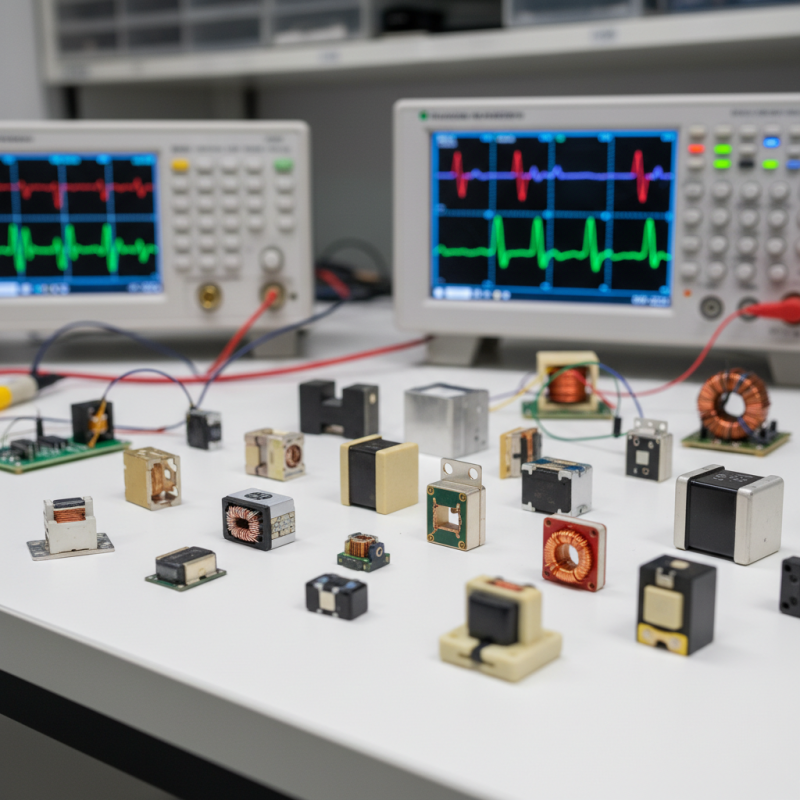
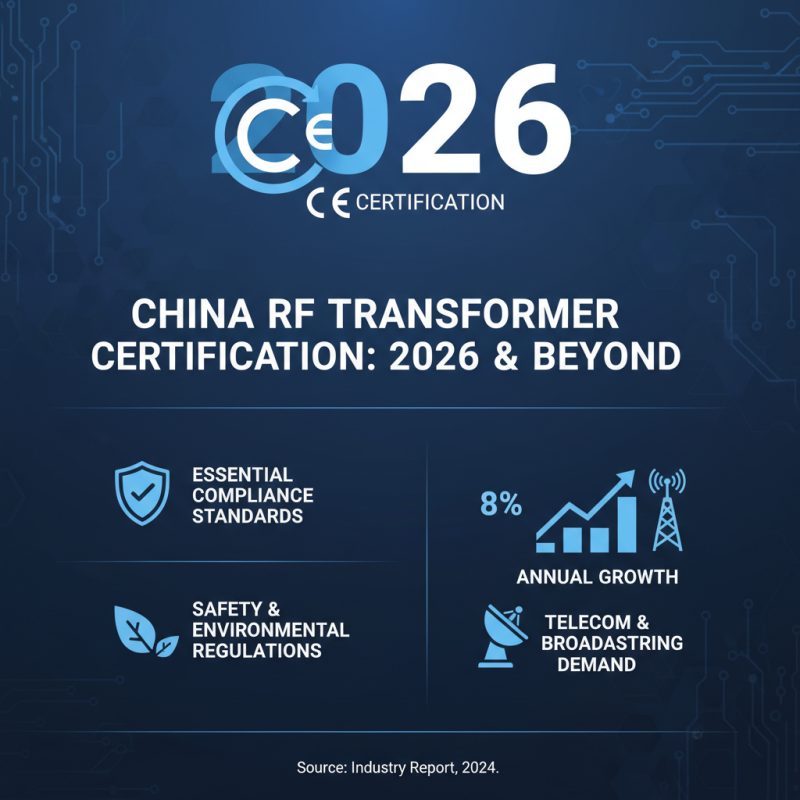
In 2026, the CE certification for Rf Transformers in China highlights essential compliance standards. This certification ensures products meet safety and environmental regulations. The market's demand for Rf Transformers is expected to grow by 8% annually, reflecting increasing use in telecommunications and broadcasting.
Rf Transformers play a crucial role in signal transmission and reception. They are integral to devices requiring high-frequency operations. Certification for these devices guarantees their reliability and efficiency. According to industry reports, nearly 70% of Rf Transformer manufacturers seek CE certification to access the European market seamlessly.
However, the certification process can be challenging. Many manufacturers face difficulties in meeting stringent standards, which can lead to production delays. The complexity of documentation and testing requirements adds to the burden. As the market evolves, staying updated with regulatory changes becomes vital. Manufacturers must reflect on their processes to ensure compliance and maintain competitiveness.
CE certification plays a vital role in the production of electronic components. It ensures that products meet safety and environmental standards. This is especially important in global markets, where compliance is mandatory. Without CE certification, products may face barriers. Importing goods without certification can lead to fines and product recalls. Companies thus prioritize these certifications for market access.
For Rf Transformers, CE certification indicates reliability. Customers look for certifications when purchasing components like theLan Transformer. Trust is built on safety claims verified by third-party agencies. However, achieving certification can be a challenge. The process is often lengthy and requires thorough documentation. Not all manufacturers can meet these rigorous standards. This highlights the need for continuous improvement in production processes.
Investing in CE certification can drive long-term success. It opens doors to international markets and enhances brand reputation. Yet, companies sometimes overlook the significance of quality assurance. They may underestimate the cost and time needed for compliance. Balancing innovation and certification is crucial. Effective communication of these values can strengthen customer relationships, especially in a competitive landscape.
This chart illustrates the significance of CE certification for electronic components, focusing on Rf Transformers' compliance levels across different criteria in 2026.
In 2026, Rf Transformers play a vital role in CE-certified products. These components are essential for efficient signal processing. They ensure the reliable functioning of communication devices. Many companies focus on enhancing the performance of theirPcb Transformers. The need for compact design and high efficiency is critical.
Key features of Rf Transformers include high-frequency response and low insertion loss. They should also offer excellent thermal stability. These attributes are crucial for devices operating at different temperatures. The ability to minimize signal distortion is often overlooked. It’s essential to balance size, performance, and cost. Some designs may not achieve this balance effectively.
Innovation in materials is another key area. Using high-quality ferrites can improve magnetic performance. However, sourcing these materials may pose challenges. Manufacturers must assess their supply chains carefully. Additionally, not all designs are user-friendly. Complexity in installation can deter some users. Feedback from practical use provides insight into necessary improvements.
Regulatory standards for Rf Transformers in China are becoming increasingly stringent. These regulations ensure that products meet safety and performance criteria. Industry reports indicate that about 70% of manufacturers are struggling to comply with the latest standards. The challenge is particularly evident among smaller companies that lack resources. They face difficulties in testing and certification processes.
Compliance with these regulations benefits manufacturers in long-term performance. Subpar products can lead to safety hazards. In 2022, compliance failures led to recalls of over 15% of RF transformer products. This statistic highlights the urgency of adhering to regulations. Smd Transformers must meet specific electromagnetic compatibility requirements. Failure to meet these can result in increased costs and damage to reputation.
Manufacturers can improve compliance through regular audits and staff training. However, many still overlook these crucial steps. Data shows that only 45% of companies conduct regular audits. This oversight can lead to significant losses. Innovation in testing methods is necessary for staying ahead. Each year, industry leaders emphasize the need for better training programs. The path to compliance is challenging, and the stakes are high.
As the market for RF transformers evolves, several trends are reshaping CE certification processes. The demand for efficient and compact designs is growing. This shift is partly driven by the need for advanced technologies in communication and power management. Additionally, eco-friendly materials are becoming a preference among manufacturers. They are looking for ways to reduce environmental impact while remaining competitive.
The rise of Poe Transformers illustrates this trend. These devices are becoming essential in powering devices via data cables. Designers face challenges in ensuring compliance with CE certification standards while maximizing performance. Balancing innovation with regulatory requirements is a delicate act. Many companies are realizing the importance of early-stage compliance testing. This approach can prevent costly redesigns later.
Consumers are also becoming more aware of product certifications. They seek reliable, high-quality transformers that meet safety standards. This growing awareness pushes manufacturers to prioritize transparency. They must communicate the benefits of CE certification effectively. At the same time, the challenges of staying compliant are not to be underestimated. It requires continuous adaptation and a commitment to quality that some may struggle to maintain.
As the demand for RF transformers grows, several leading manufacturers are stepping up. These companies focus on producing CE-certified products that meet strict quality standards. The year 2026 will showcase innovations in design and performance.
These manufacturers are not only improving efficiency but also enhancing reliability. Many transformers now feature better thermal management. This prevents overheating, a common issue in past designs. Some companies are experimenting with materials that improve signal integrity. Yet, challenges in sourcing these materials can delay production.
It's essential for manufacturers to reflect on their processes. Sometimes, the push for innovation can compromise quality. Ensuring that every transformer meets certification isn't easy. Gaps can exist in quality control. As we move forward, continuous improvement must remain a priority. Balancing innovation and reliability is a delicate task.
The future of CE certification and RF transformer innovations presents exciting opportunities. As technology evolves, the demand for certified products increases. Manufacturers are investing in research and development. This ensures high-quality transformers comply with CE standards. Compliance enhances consumer trust and market access.
Innovation in RF transformers is likely to focus on efficiency. New materials may lead to lighter and more compact designs. This change can improve performance in various applications. However, challenges remain. The industry must navigate regulatory changes and technological hurdles.
Tips: Stay informed about industry standards. Regular training for staff can improve compliance. Consider collaborating with experts for innovation.
Investing in CE certification is not just about meeting regulations. It’s about leading the market. As we look ahead, adapting to these changes will be crucial. Companies must embrace flexibility and innovation to thrive.
: Focus on balanced portions of proteins, carbs, and fats. Include colorful vegetables for nutrients.
Set clear goals. Track your progress over time. Change routines to challenge your body.
Yes, stay hydrated to maximize performance. Drink water or electrolytes based on activity duration.
Nuts, fruits, or yogurt are great options. Choose snacks high in protein and fiber.
Find enjoyable activities. Schedule workouts like appointments. Reward yourself for achievements.
Skipping meals isn't effective. Extreme diets can lead to burnout. Aim for sustainable changes.
Chronic stress affects sleep and digestion. It can lead to unhealthy eating habits and fatigue.
Sleep is crucial for muscle repair. Aim for 7-9 hours per night for optimal recovery.
Yes, moderation is key. Occasional treats can fit into a balanced diet without guilt.
Reevaluate your routine. Change exercises or intensity. Sometimes, rest is needed to recharge.
The article "2026 Top CE Certification China RF Transformer Product Overview" provides a comprehensive examination of the landscape surrounding RF transformers with CE certification in China. It begins with an overview of CE certification's significance for electronic components, emphasizing its role in ensuring product safety and compliance with regulatory standards. The key features that characterize RF transformers suitable for CE-certified products are highlighted, showcasing the essential attributes that meet regulatory compliance.
Additionally, the article delves into current market trends that impact the CE certification process for RF transformers, identifying factors that drive innovation within this sector. It outlines leading manufacturers of CE certified RF transformers expected to shape the industry in 2026. The future outlook discusses anticipated innovations in RF transformer technology and ongoing developments in certification processes, underscoring the importance of maintaining high standards in this rapidly evolving market.